• Blog
  • Home
  • Gallery
  • Videos
  • Story
  • Process
  • Technical Info
  • The 700cc
    • Process
  • Contact
It took a long time. Lots of staring into space. Endless cups of tea. Miles Davis, Jeff Beck, Floyd with Barrett and Jethro Tull. Long breaks of utter despair with the burning question, "Why do this if you find halfway that it's already been done?" Don't have an answer but am I glad I stopped asking.
Picture
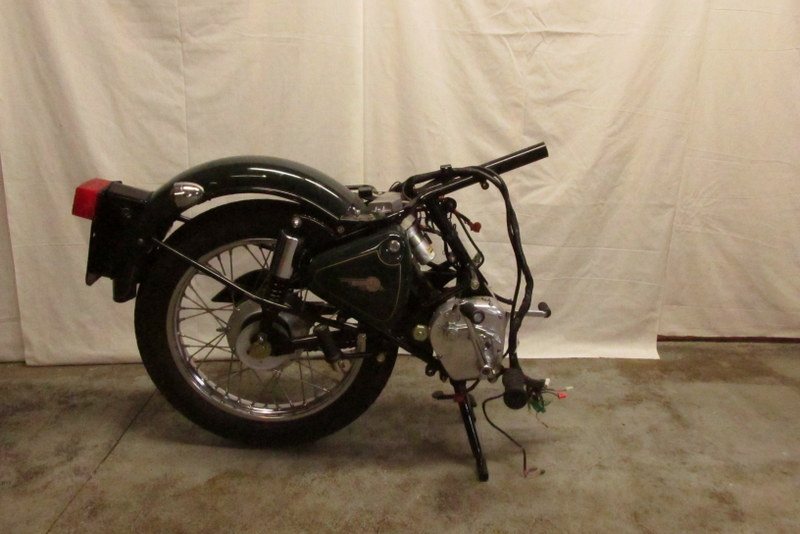
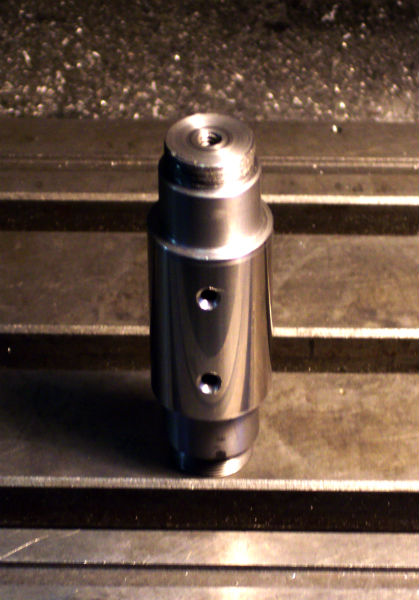
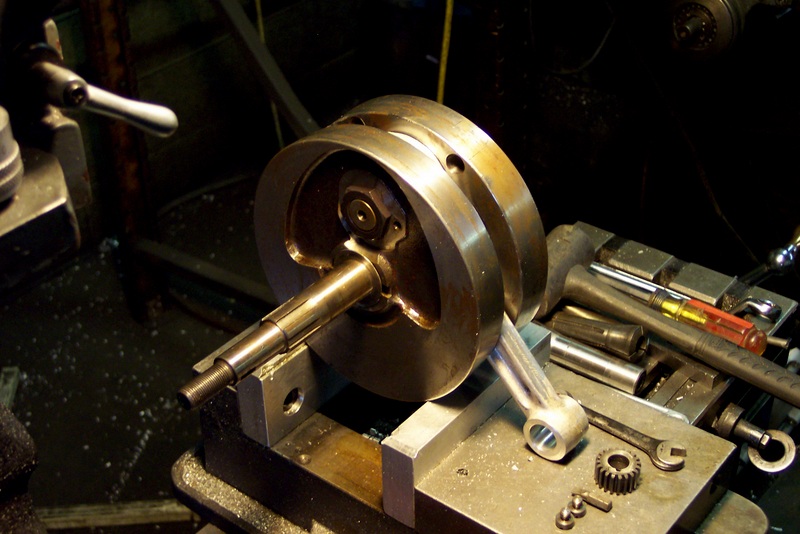
1. Bought an old Bullet engine on a trip to Delhi. Brought it back in my checked baggage. This was late '03, post 9-11. To my great surprise, they didn't want to check me at D.C. The big lumps of metal in my suitcase would have  gotten me into big trouble.
Measured and sketched every single part with a dial caliper.
Picture
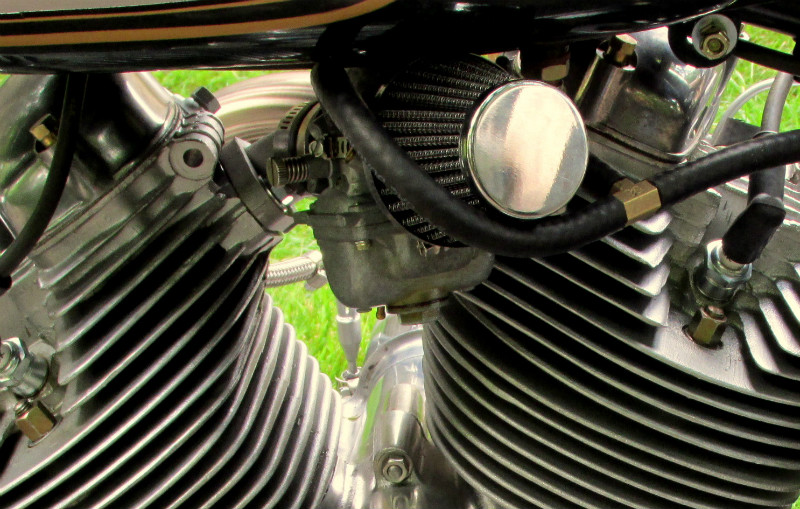
2. Next I modeled every single component in 3D CAD. I used Rhino3d, a user- friendly software used often by industrial designers. It was a puzzle to be solved- make two Bullet engines work in unison using standard parts. CAD allowed  accuracy, easy changes and several approaches.
Picture
3. This was the meat of the design stage- getting to the simplest, most practical and buildable solution. At this stage, I had no access to any machining setup, so had to assume that everything would be done on a simple manual mill and lathe. Counting all changes, had more than 40 CAD model stages before the final design.
 
Picture
4. Once the final design was reached, I jumped into woodwork. The CAD model was scaled up in size to compensate for the shrinkage of the castings on cooling. Printed several drawings from my CAD model.
Picture
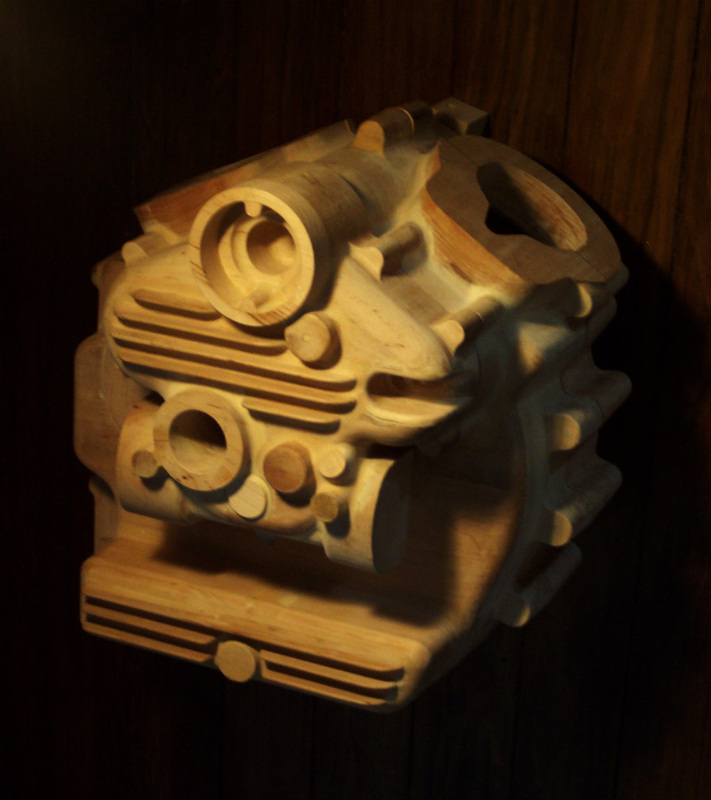
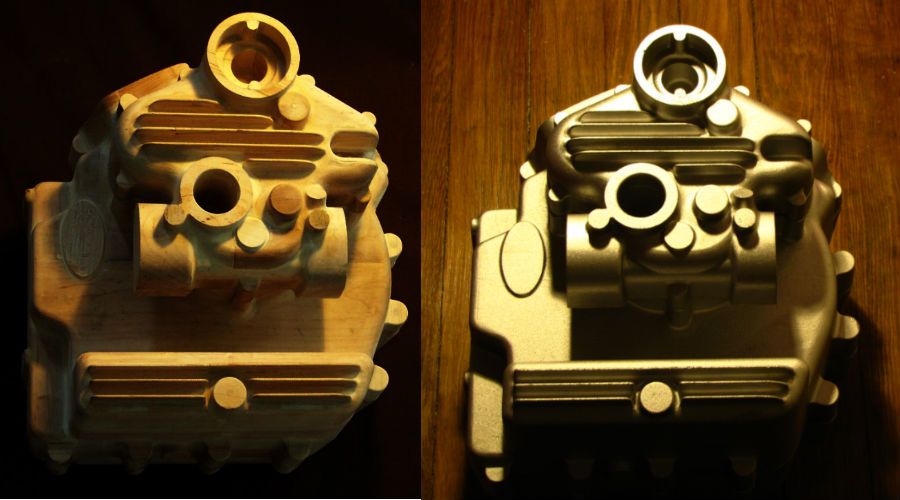
5. I then used the drawings as templates to cut, carve, shape and sand blocks of glued up MDF. It's dimensionally stable, easily sandable and comes in sheets of precise thickness. This took a very long time as several things needed to be reconsidered once the design began its translation from ideas to an actual object.
Picture
6. Ruin. Destruction. Despair.Yes, these are my patterns- years of work- after they were left next to an open window during a rainy weekend by the genius at a small local foundry. The bottom portion of all 3 had swelled and split. I saw what had happened, picked them up and left right then. The furnace was on and had I stayed to chat, I just might have pushed him in.
Picture
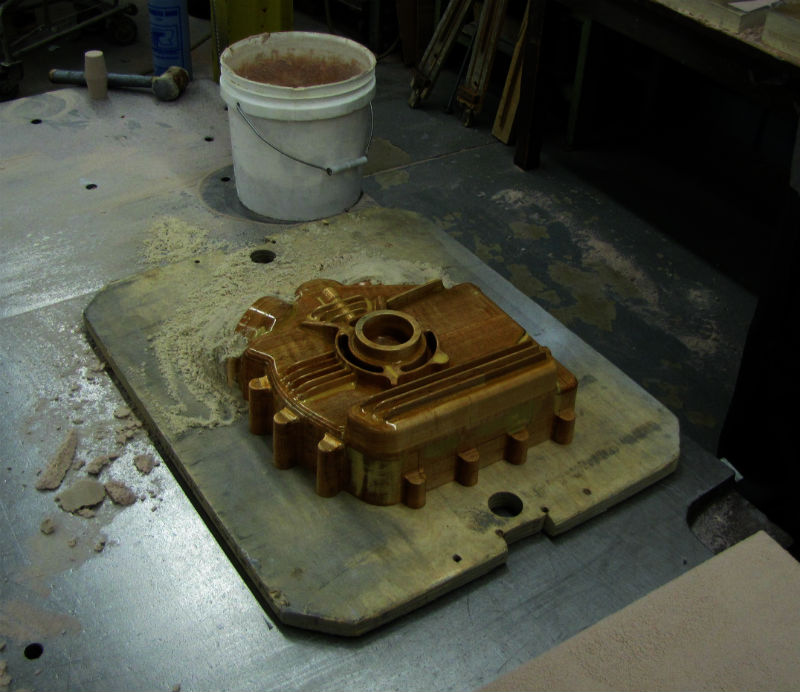
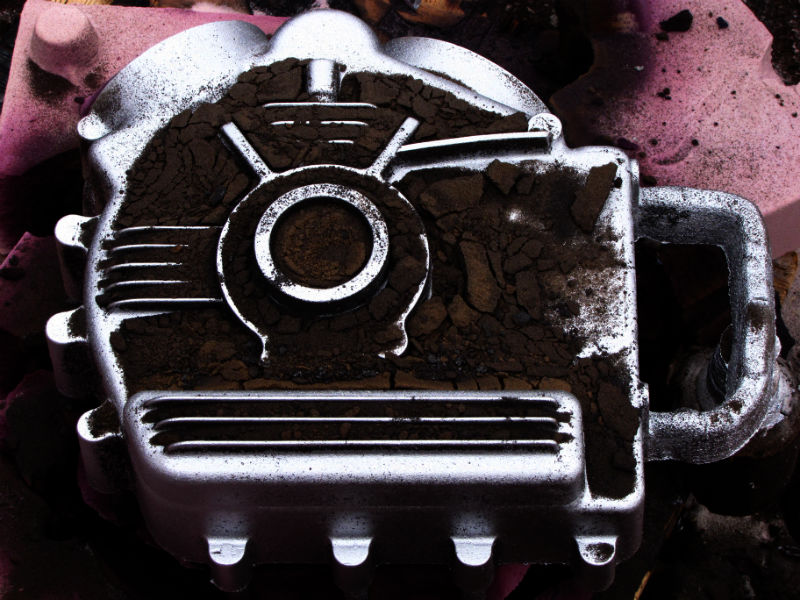
7. Ah well. 3 months later, I bit the bullet, got down to it and cut away all the damaged portions. Made all the necessary repairs and had them looking as good as they did before. Nothing was going to stop this engine now. If you're wondering about the silvery finish, its a waxy, slippery paint to ease removal of the pattern from the sand mold.
Picture
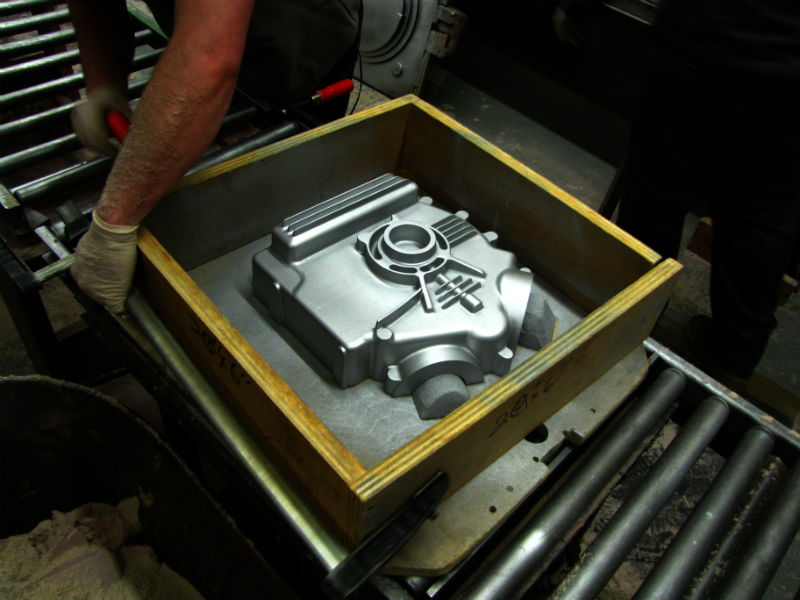
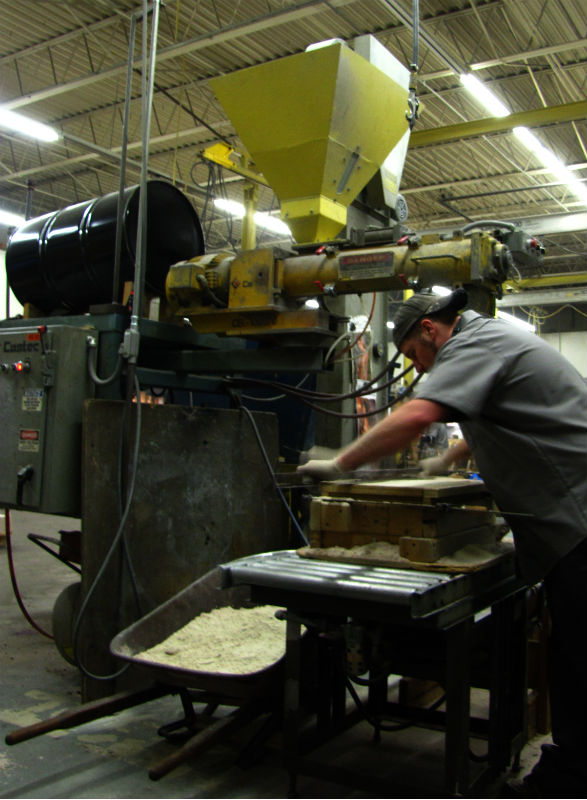
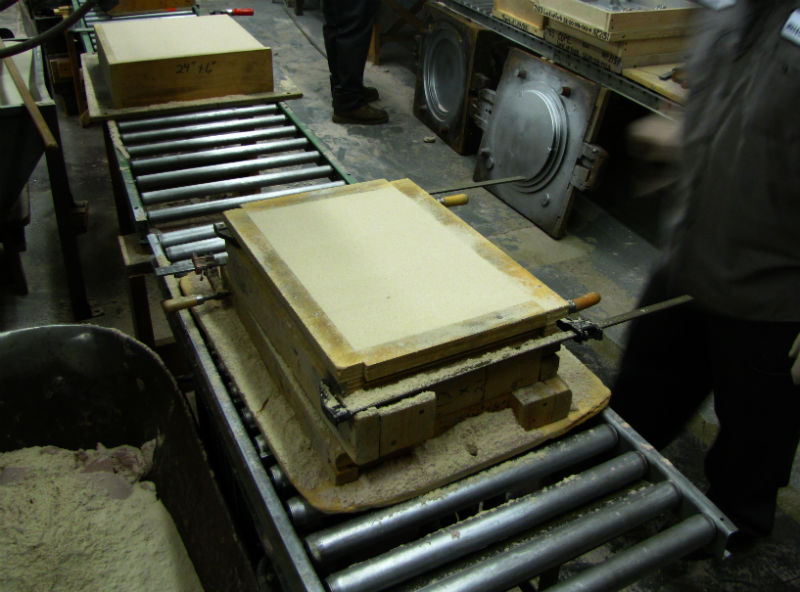
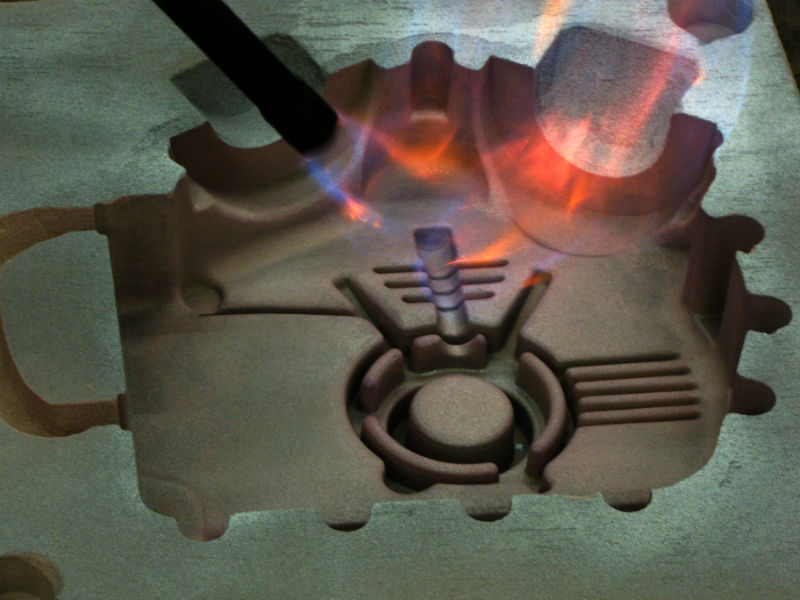
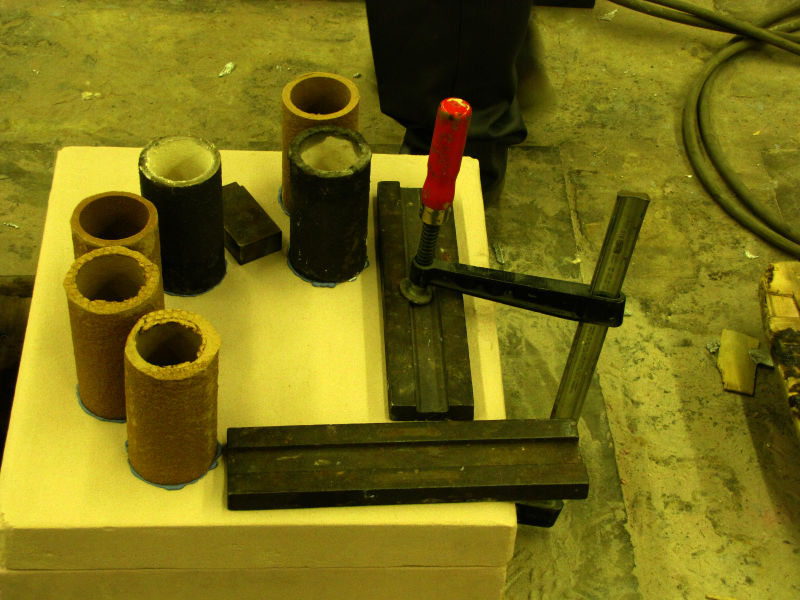
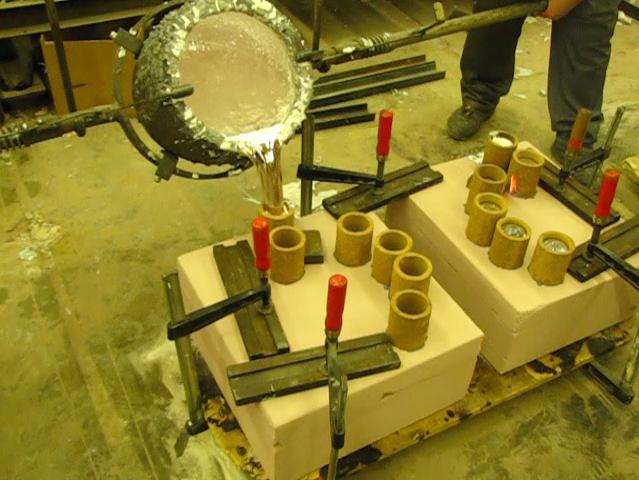
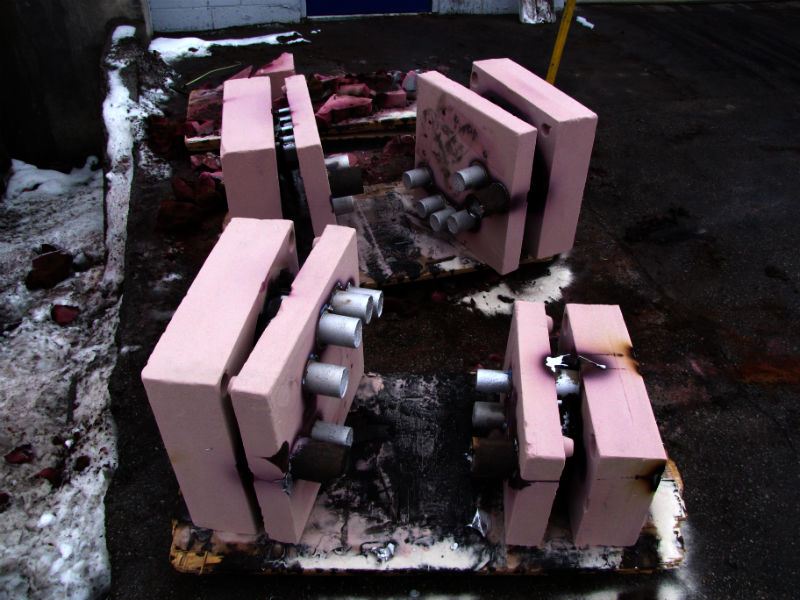
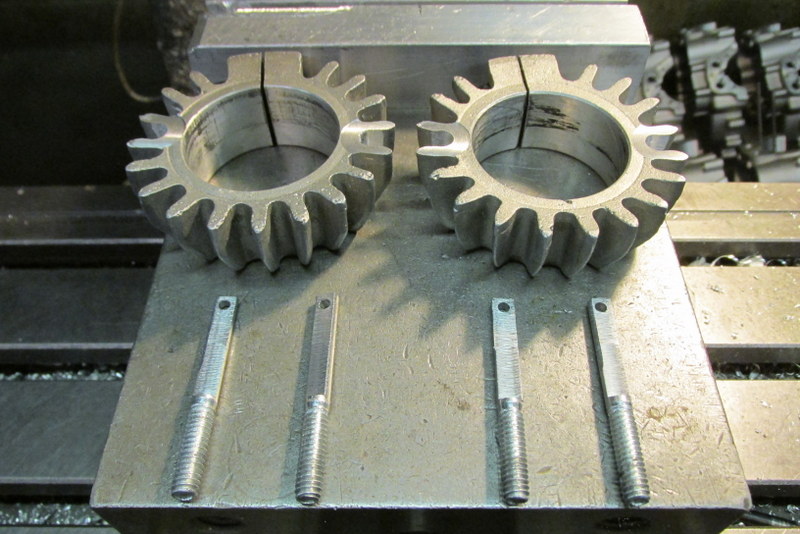
8. One of the most exciting days of the project. The sand molds made from my patterns! Found a great foundry in Toledo (Seaport Mold). I got there at 8:30 am and by 4:00 pm, they had a beautiful set of castings ready. They even made an extra set of molds just in case. Needless to say, I had them pour that one too and I had 2 sets of castings in case I messed up.
Picture
Here's a shot of the molten aluminium alloy being poured into the sand mold.
Picture
 And out came the castings!
Indescribable joy. Years of work finally taking shape in metal. Got a bit wet eyed, sentimental that I am.

Create a free website with Weebly